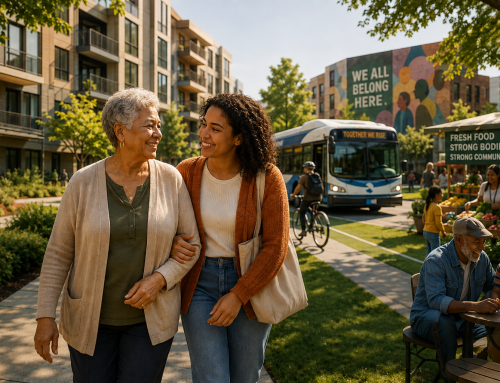
The New Poverty: Emotional and Social Deficits
In 2023 and beyond, many people—especially those in large cities—are experiencing an invisible crisis. It isn’t economic poverty, but a deficit of social and emotional wealth. Even in spaces full of people, there’s a growing emptiness: fewer genuine smiles, fewer conversations without a purpose, and fewer acts of everyday kindness.
This deficit has profound implications. Social scientists and health researchers have shown that consistent, meaningful human interaction supports not only emotional well-being but physical health as well. When social connection erodes, the human body—wired for community—experiences stress responses that can lead to higher rates of disease, depression, and even shorter lifespans. Kindness, then, isn’t merely moral; it’s medicinal.
Algorithms and the Erosion of Empathy
A major contributor to this decline is the digital world’s reshaping of human attention. Social media algorithms are designed to reward engagement with content that aligns with our interests or triggers emotional extremes. The result is an echo chamber that teaches us—subtly—that people or ideas outside our preferences deserve to be “scrolled past.”
This digital conditioning is spilling into the real world. Increasingly, when interactions don’t entertain or immediately interest us, we disengage. “If it’s not interesting, scroll” has become a social reflex offline. This detachment erodes empathy, leaving us less patient, less tolerant, and less inclined to kindness.
Artificial Intelligence and the Illusion of Self-Sufficiency
Emerging AI tools, while revolutionary, risk further isolating people. They promise to help us get things done without needing others. But the more we rely on machines to meet our cognitive or emotional needs, the less we practice collaboration, compromise, and compassion—the very skills that make societies resilient.
AI isn’t inherently harmful. But when it replaces instead of enhances human connection, it becomes another factor in the slow erosion of our collective empathy.
Kindness as a Public Health Indicator
Kindness is more than a virtue; it’s a public health metric. In communities where kindness flows—where people feel seen, supported, and valued—stress levels drop, trust increases, and health outcomes improve. The presence of kindness reflects abundance: a belief that one has “enough” to give, whether time, attention, or care.
Today, we face a crisis of social kindness. It is no longer something that can be assumed or left to chance. It must be cultivated intentionally—in homes, schools, workplaces, and digital spaces alike.
Reclaiming Our Social Health
We can reverse the decline in social health, but it requires conscious effort. We must:
- Redesign digital experiences to promote empathy, not just engagement.
- Integrate kindness education into public health and civic programs.
- Encourage intergenerational interaction, especially for children and older adults who are most vulnerable to isolation.
- Recognize social connection as vital infrastructure—just as important as clean air or safe water.
Conclusion: Abundance Through Connection
True abundance isn’t measured in possessions or productivity but in our capacity to give—time, attention, and kindness. As technology accelerates and societies become more fragmented, our shared humanity must become our most protected resource. Kindness is not optional. It’s the bridge back to health, resilience, and collective flourishing.